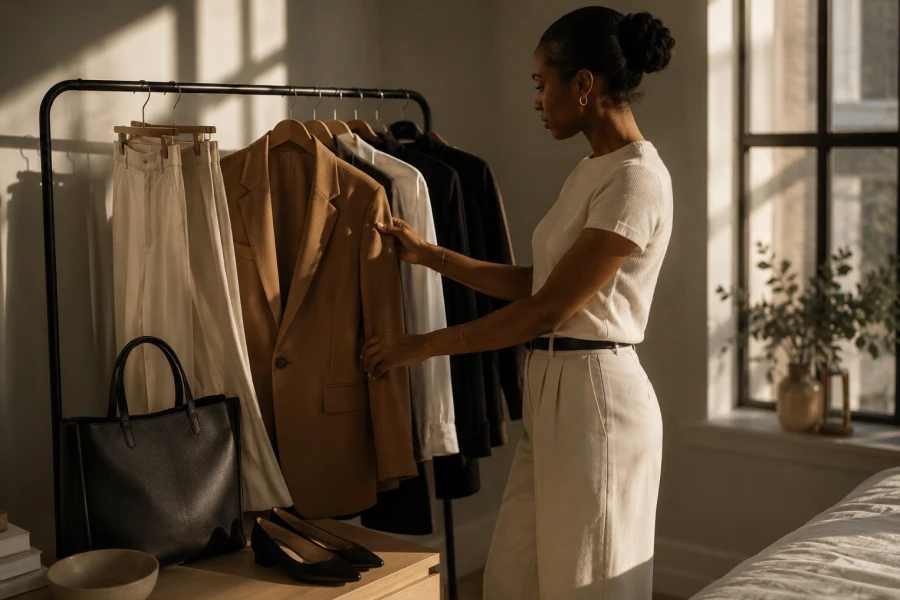
Getting dressed for work should not require replacing half your closet every season. An affordable work wardrobe begins with decisions that serve your actual calendar. It considers commutes, meetings, laundry habits, and the office temperature. That perspective shifts attention away from fleeting sales and toward dependable pieces. Instead of chasing endless options, you build a concise collection that earns its place. The result can look polished even when every purchase has a clear spending limit. Thoughtful choices also remove the pressure to copy someone else’s professional uniform. You learn which proportions, fabrics, and colors make mornings feel easier. This approach rewards repetition because familiar combinations become personal signatures. A smaller, more intentional starting point creates room for confidence to grow.
Trends can make a work closet feel outdated before it has had time to work. However, the strongest purchases usually look useful in several settings. A crisp shirt, tailored trouser, knit layer, and structured flat carry real weight. Start by identifying the affordable workwear essentials that solve repeated outfit problems. Notice which items can move from desk time to a client lunch without fuss. Favor fabrics that recover well after a full day and a commute. Neutral foundations help, but one recognizable color can make them feel less anonymous. Good fit matters more than a famous label or complicated design detail. Once a core group works together, each new addition has a clear job. That discipline protects both closet space and peace of mind.
Price matters, yet cost per wear gives it a more useful context. A jacket worn twice each week often beats a bargain piece that never feels right. Set an office wardrobe budget for categories rather than vague shopping trips. Then save slightly longer for items with reliable construction and adaptable styling. Consider the days that demand your most polished appearance. Those moments reveal where quality will make the biggest difference. A job with presentations may justify a sharper blazer before another casual knit. Hybrid work may call for comfortable trousers that still look considered on camera. Your budget works harder when it supports real obligations first. Everything else can be added slowly, without panic buying.
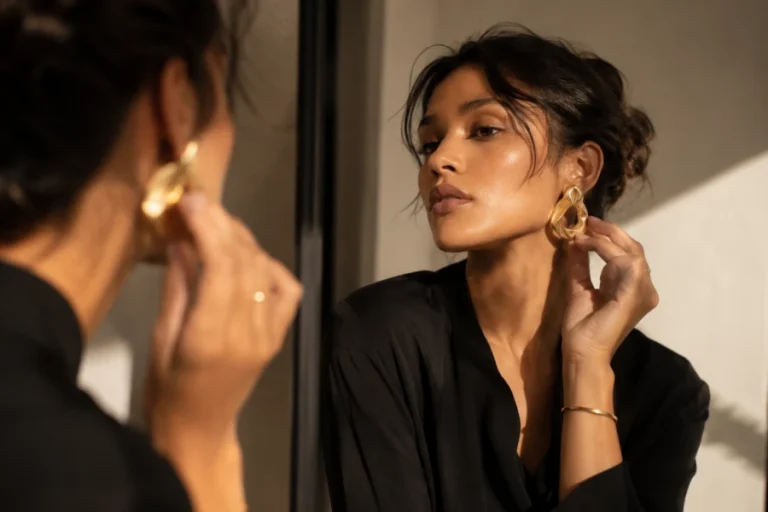
Repetition becomes easier when you create dependable combinations before busy mornings arrive. Think in terms of outfits rather than isolated garments. A favorite trouser may pair with three tops, two shoes, and one easy layer. Those combinations become professional outfit formulas you can adjust with small changes. Add a belt, earrings, scarf, or different shoe to refresh the same foundation. The goal is not to make every weekday look dramatically different. It is to make each look feel intentional and appropriate. Photograph combinations that work especially well for future reference. A quick visual record prevents second guessing when you are rushed. It also shows which purchases are genuinely pulling their weight.
Shopping without a list encourages attractive but disconnected purchases. Before opening a retail site, identify the missing piece in a current outfit formula. It may be a layer for cold offices or a shoe for rainy commutes. Write down the color, silhouette, fabric preference, and maximum price. That preparation makes a sale easier to evaluate honestly. You can compare options instead of responding to urgency. Look beyond the display styling and imagine the piece with clothes you already own. Check the care instructions before deciding that a low price is truly convenient. Avoid buying an item that needs special handling unless it fills an important gap. Clear criteria make shopping feel less emotional and much more useful.
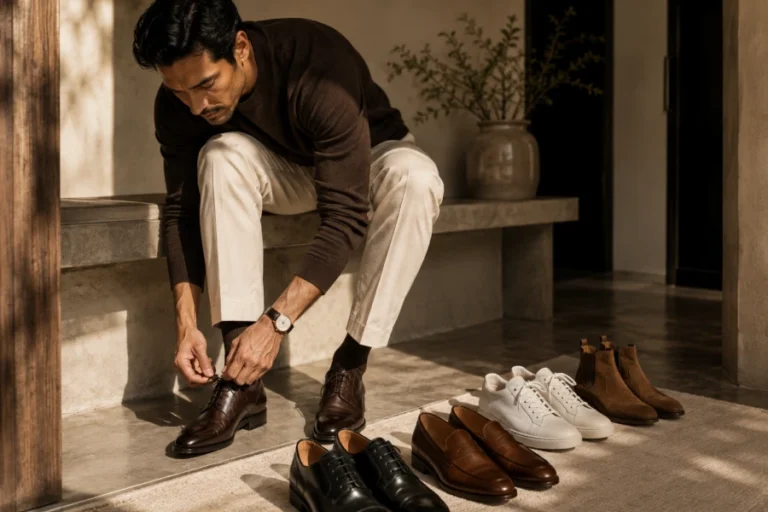
Cost per wear becomes especially powerful when you stop treating clothes as one-time purchases. A simple blouse that works in three seasons has greater value than an elaborate piece with limited use. Look for seams, closures, lining, and fabric weight that support frequent wear. Consider whether an item layers smoothly beneath jackets and sweaters. Choose shoes that remain comfortable through a full workday, not just a fitting-room mirror test. Repairs can also extend the life of a favorite piece. Replacing a button or refreshing a hem costs less than replacing a whole garment. Careful laundering protects shape, color, and texture over time. These quiet habits help a professional closet feel better for longer. They also make future spending more deliberate.
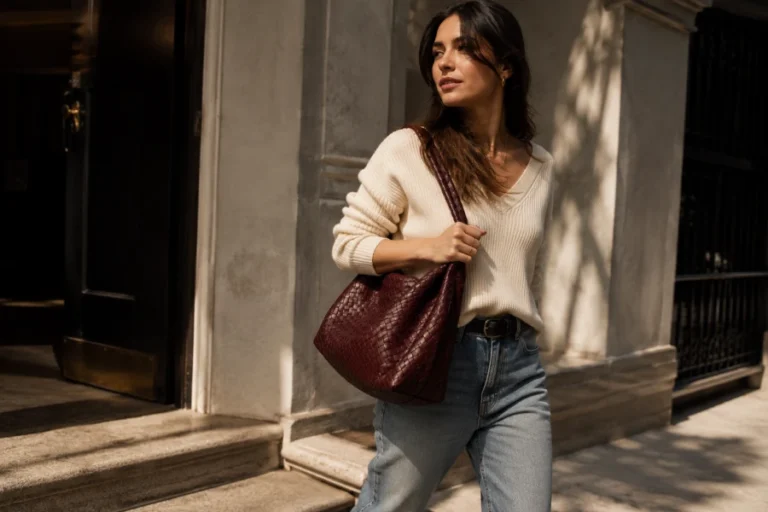
A practical collection should still communicate something about the person wearing it. Use a capsule office closet as a framework, not a restrictive uniform. Introduce a color you naturally reach for or a shape that feels especially flattering. Small style preferences create warmth inside an otherwise polished formula. You might prefer soft knits, architectural jewelry, tailored denim, or relaxed button-down shirts. Let those choices appear consistently enough to become recognizable. Professional dressing does not require erasing personality. It requires making choices that respect the environment while feeling authentic. When your clothes align with your taste, you stand taller in them. That ease is often more memorable than a trend-driven look.
The best work wardrobe rarely appears after one ambitious weekend of shopping. It develops through observation, repetition, and a clearer understanding of your needs. Give yourself time to notice which pieces simplify your mornings. Replace weak links only after you understand why they are not working. A thoughtful addition can improve several outfits at once. That is a better outcome than buying five items that compete for attention. Keep a running note of gaps that appear during the month. Revisit that list when seasonal sales or extra budget become available. Gradual progress keeps your closet coherent and your spending calm. Over time, getting dressed becomes one less decision demanding energy.

Leave a comment